
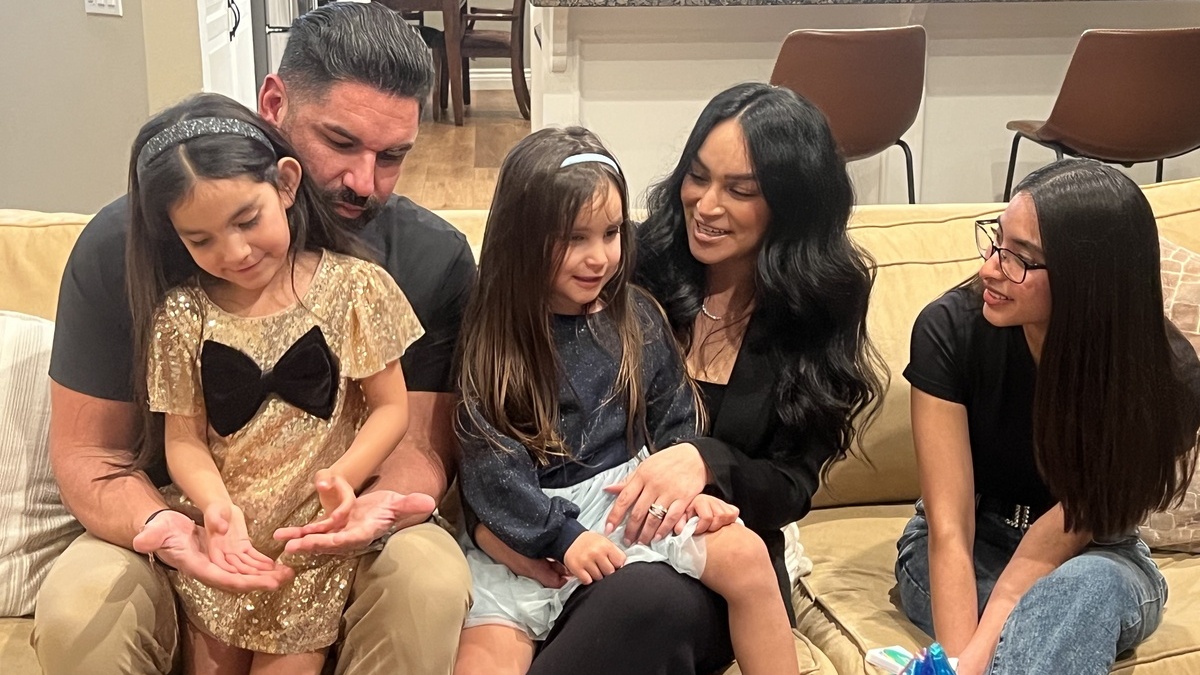
In our home, mornings start early. My wife and I juggle demanding schedules with school drop-offs, meals, and the thousand moving parts of raising two young daughters. Like so many families across California, we faced a pressing question: how do we secure reliable, nurturing childcare in one of the most expensive regions in the country?
For us, the answer wasn’t easily found through traditional options like a daycare center or a nanny. We turned to the au pair program, which offers flexible, affordable care with truly unique cultural exchange opportunities.
Through the au pair program, American families welcome young individuals from abroad into their homes. In exchange for providing up to 45 hours of childcare support per week, au pairs receive room and board, a weekly stipend, and financial contributions toward required American college classes. California is the most popular state among au pairs – in 2024, more than 2,400 au pairs were welcomed into the homes of Californian families.
At its surface, the au pair program addresses a practical need. Childcare in Orange County is not only expensive, it’s often inflexible. In 2024 dollars, the average cost to send one toddler and one pre-school aged child to center-based care in Orange County was nearly $28,000. Beyond that, daycare centers have long waitlists and private nannies can cost more than many families can sustain.
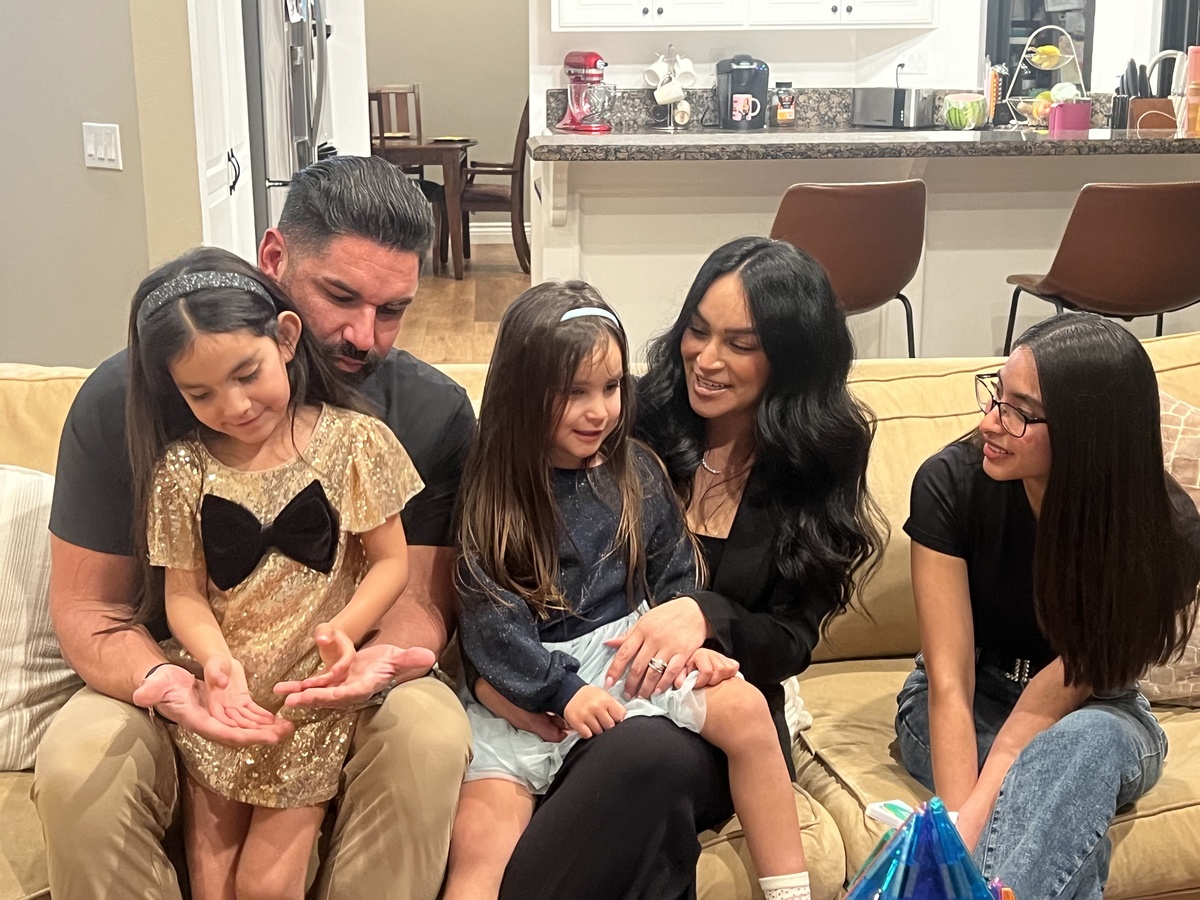
An au pair provides consistent, in-home support with a flexible schedule that aligns with the realities of balancing today’s work and family life. But we discovered that the true value goes far beyond logistics.
When our au pair Naomi joined us from Mexico, she arrived after a thorough process – applications, interviews, training, and countless video calls to ensure we were the right fit. By the time she stepped into our home, she wasn’t a stranger. She was someone we had chosen carefully, and who had chosen us in return.
While I have proud Mexican roots, Naomi brought daily exposure to the language and culture. With Naomi, our daughters didn’t just learn about Mexican culture – they experienced it. They celebrate traditions with someone who grew up with them, hear stories about her family, and taste recipes that carry history.
At the same time, this exchange is not one-sided. Au pairs come here to grow. Naomi has strengthened her English, developed independence, and gained a broader worldview. While there’s no question of the value of her support with our daughters, at its core the au pair program is a cultural exchange opportunity: au pairs take American college classes, travel, and immerse themselves in American life.
Having Naomi in our home means that my wife and I have time to balance work and family life – giving us time to breathe, spend time together, and take care of ourselves – which in turn helps us be better parents.
As Orange County families continue facing the challenge of creating a patchwork of childcare support, the au pair program can be a meaningful solution that blends flexibility and cultural enrichment. Hosting an au pair requires space, openness, and a willingness to embrace someone new as part of your family – but there is so much to gain.
When Naomi’s time with our family ends and she returns to Mexico, it will feel like losing a family member. We’ll stay connected through video calls and maintain a bond despite the distance, but the house will feel different. That sense of loss speaks volumes about what the au pair program truly represents.
Our experience with the au pair program has been about trust, shared meals, bedtime stories, and cultural pride. It has been about showing our daughters that the world extends far beyond our neighborhood – and that someone from another country can become family.
California needs more creative childcare solutions and Orange County families need options that reflect the realities of modern work and multicultural lives. In our home, the au pair program did not only solve a childcare problem – it expanded our world.